
Depthfinding Ep. 5: The Midnight Zone - Experience, Emotions, and Reactions at Work
About this episode:
Original Air Date: April 21, 2025In this miniseries, we’re exploring Depthfinding—an easy-to-grasp framework designed to help leaders and teams solve their gnarliest cross-functional challenges.
This week, Rodney and Sam dive into the Midnight Zone: the deepest layer of organizational life, where the lived experiences, emotions, and unspoken reactions of individuals shape everything that happens above. While many organizations focus on surface-level solutions, ignoring the human realities of work leads to burnout, disengagement, and resistance to change.
Leaders who acknowledge and engage with the Midnight Zone create organizations where people feel seen, supported, and empowered to contribute. Understanding the emotional undercurrents of work isn’t just about empathy—it’s about unlocking real, lasting transformation.
Downloadable tools mentioned in this episode:
Mentioned in this episode:
“Depthfinding first episode”: Depthfinding Ep. 1
“seven in 10 college graduates get a sense of identity from their job”
”knowledge work is at peak inefficiency”: Jared Spataro of Microsoft: 60% of a knowledge worker’s time is spend on overhead
“Gareth’s episode of BNW” BNW Ep. 5 with Gareth Holman
In this episode:

Rodney Evans
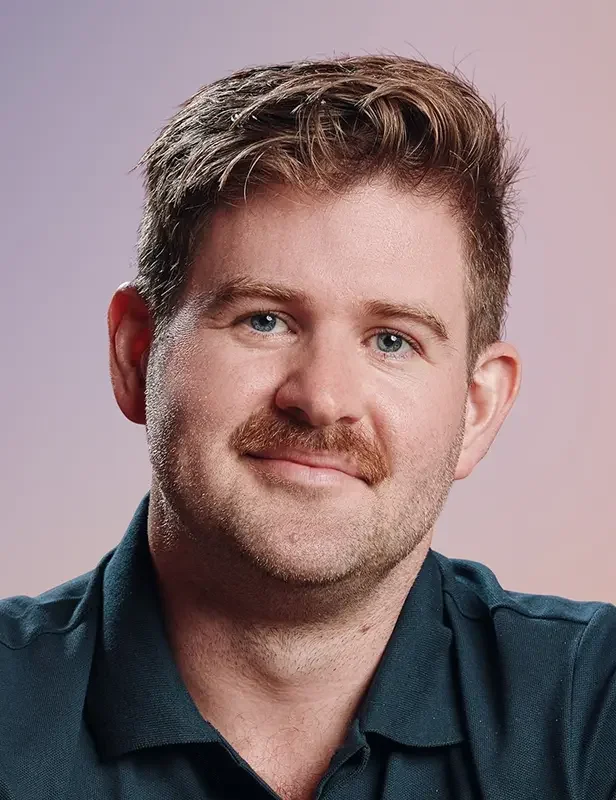
Sam Spurlin
Listen now:
Episode transcript:
Rodney Evans:
Hey everybody. Welcome back to the show. I'm Rodney Evans and that guy in the birthday shirt, 'cause it was his birthday, is Sam Spurlin.
Sam Spurlin:
I mean, it's not my birthday today. That was last week, but it is a birthday present.
Rodney Evans:
Yeah. We can all still wish you happy birthday 'cause we weren't here last week.
Sam Spurlin:
You can. Thank you to you and everyone currently saying happy birthday to their podcast player.
Rodney Evans:
Everybody in all of our cars and on all of our subway commutes, let's all scream-
Sam Spurlin:
Oh god...
Rodney Evans:
"Happy birthday, Sam!"
Sam Spurlin:
Yeah, thank you.
Rodney Evans:
Welcome back to At Work With The Ready. This is a podcast about modernizing organizations and we are currently in our Depthfinding season exploring how the future of work meets the present moment.
Sam Spurlin:
That's right. This is our fifth episode of the miniseries. We've been working our way through the various zones of Depthfinding and today we're diving into the Midnight Zone.
Rodney Evans:
Yeah, I have a PSA before we check in, which is-
Sam Spurlin:
Great.
Rodney Evans:
If you didn't start this journey with us at the beginning of the Depthfinding season, it's okay. You can kind of dive in anywhere. Maybe listen to the first episode where we do an intro and then you can pick a zone to listen to because all the examples that Sam and I have used, we run through all of the depths with just an emphasis on one depth. I'm saying this because I think this actually might end up being the most interesting, spicy, provocative of the episodes and if you're just joining here, I don't want you to feel like, "Oh fuck, I got to go listen to four other ones," 'cause you don't really.
Sam Spurlin:
Bold move telling people not to listen to episodes of our podcast, but hey, we'll roll with it.
Rodney Evans:
Skip it. Just skip it. You didn't miss anything. That's how you're supposed to do this, right?
Sam Spurlin:
Yeah, we're nailing it.
Rodney Evans:
Nailing it. We have been talking about marketing. Okay, Sam, why don't you check us in?
Sam Spurlin:
Yeah.
Rodney Evans:
I'll stop tanking our numbers.
Sam Spurlin:
Let's check in. No, I like it. Real simple: what's been a nice moment from the past week?
Rodney Evans:
Ooh, for Valentine's Day, Ed and I had our very, very dear friends, Tim and Bridget over, and we ate a delicious... Tim and Ed are both former chefs and just wonderful cooks and they made us the most delicious meal. Bridget and I did not do jack except we put on nice outfits and I chose excellent records to spin all night and it was so fun. It was the coziest, snuggliest Valentine's Day with all of the food and then everyone on a couch together, which for my Cancer soul is the perfect way to spend a holiday.
Sam Spurlin:
Nice. All right, cool.
Rodney Evans:
How about you?
Sam Spurlin:
Well, I'm going to continue the Valentine's Day theme by saying, so we already mentioned my birthday was a week ago, so on the 12th is my birthday. My wife's birthday is next week on the 26th. So we have determined in our relationship that Valentine's Day is bullshit and we don't do anything with it because it falls right between our birthdays. So we didn't do anything for Valentine's Day-
Rodney Evans:
Great.
Sam Spurlin:
But we did go out with some friends to get dinner and play Trivia on my birthday and we named our team the Birthday Boys and we didn't win.
Rodney Evans:
That's surprising to me that you didn't win.
Sam Spurlin:
It was surprising to us too because we were-
Rodney Evans:
Were the rest of the team dum dums? Cause I feel like you'd be really good at trivia.
Sam Spurlin:
I am pretty good at Trivia and there's a longer story here where we thought this other table of probably average age of 75 was the table that beat us and we were so confused because the last round was 90's songs and they got them all right-
Rodney Evans:
They nailed it.
Sam Spurlin:
And then we realized it was this other table over there, but we were messing with this table of probably octogenarians who weren't actually playing trivia and we thought they were.
Rodney Evans:
It was a one-sided battle. That's amazing.
Sam Spurlin:
Yeah. Yeah.
Why everyone actually wants to talk about feelings
Rodney Evans:
Anyway, there you go. Today's episode, we are diving into the Midnight Zone, and I will be honest that when we were coming up with this framework and testing this framework, the Midnight Zone to me felt the least interesting because I feel like we've seen it all over the place like Conscious Leadership Group has above the line below, below the line. The ACT work has above the line below the line. The Iceberg Model used in all of its form has the depth that is unexplored, like the triangle. I'm just like, we've seen this a million times, unlike the Twilight Zone, the whole model started with and everything else hung off of.
I didn't think we had anything really interesting to say about the Midnight Zone, and as it's turned out, we do, and it's what people want to talk about all the time when you're not trying to talk about culture, you're not trying to talk about a whole organization, when you're taking a thin slice of work, like why the fuck can't we prioritize, it turns out people really want to talk about the Midnight Zone reasons that we can't prioritize or if they don't want to talk about it, they at least want a category to label it with.
So that's what we're going to dive into today and like we've said before, the Midnight Zone isn't bad stuff. It is just the individual experience that people have as consumers of everything that is happening at the depths above them. So Sam, why don't you kick us off with just what do you see? You work with a lot of leadership teams. Just talk about what is typical and compelling for you when we start to dig into the Midnight Zone.
How the Midnight Zone shows up in orgs
Sam Spurlin:
So when I'm thinking about the Midnight Zone, I am reflecting on all of the teams that I've worked with where we are seemingly pretending it doesn't exist. Everyone is pretty obviously being buffeted by what is happening in their Midnight Zone and reacting to each other's Midnight Zone, but because we don't have language for it or we don't have a culture where we can acknowledge that we have individual feelings and various things going on for us in the Midnight Zone, we just don't talk about it and then we wonder why the things that are happening in the more visible zones of the organization, Twilight or Sunshine, are so borked and I think what has been fun about using Depthfinding has just been giving people a easy way to have permission to just acknowledge that it exists and even only that, not really going into lots of detail about what to do with it or what is in there, but just being like, yeah, there's some Midnight Zone stuff going on here, has been a interesting and useful release valve for some of the teams that I've been working with.
Rodney Evans:
Yeah, I think that's really true. I think in my own career, I think in the careers of a lot of people at The Ready, we have made mistakes at various points of trying to dig into Midnight Zone stuff with groups that were unwilling or not ready or didn't feel safe to or didn't want to, which is absolutely their right. And I think we did that in service of the work that they said they wanted to do and then often we're met with a lot of resistance. And so it does really feel like this nice shorthand to just be like, there's definitely stuff going on here.
We don't need to talk about it right now, but someday we probably will. And I think that the reason to me, and I've said this on this podcast many times, the reason to me that the Midnight Zone is just so alive with stuff, with static, with noise, with feelings, with all of the things at work is in part because it's not acknowledged and because as you and I both know, what resists persists and the more we ignore people's human experience, the more their human experience is going to scream to be acknowledged. And at least in American capitalist society, our identities are way too fused with work. The fact that people, and I've read the research on this like an astonishing majority of knowledge workers really consider their title, their work, their promotions, their money, the status, all of this stuff to be a very meaningful and important part of who they are as people.
And I'm not saying that we should not care about our work, but I think where it becomes problematic is when my work identity can't be challenged because my ego is protecting it so strongly because of what it would say about me if it was provoked. And I see the way that organizations completely contort themselves to the least progressed, least self-aware, most fragile person leading them, and that's then the organization that you have is the person who has the least psychological flexibility in the place.
Sam Spurlin:
And if that person also happens to be in a position of great positional power, it's just multiplied. It's just amplified even more.
Rodney Evans:
Yeah. You're in big trouble, and I see this show up on leadership teams in a variety of ways. I see a lot of frankly coddling leaders who have very fragile egos so that they're not provoked and so that they can stay comfortable and I mean, who among us doesn't like to be comfortable and to feel like we're just killing it every day? And the reality is adaptation of any kind, evolution of any kind, growth of any kind, innovation of any kind, the precursor is discomfort. And so if you are a person, I'm not even going to really talk to teams today. If you are a person who gets rankled easily and looks to get yourself back to equilibrium immediately, we are talking about you right now. We are in this soup with you.
Sam Spurlin:
About and to you.
Rodney Evans:
About and to you. Yeah, because I think that people's desire for comfort ultimately holds them back from getting what they want.
Sam Spurlin:
100%, because designing an organization for comfort is often counter to designing an organization for function or for anything else that we care about and conflating creating an organization for comfort or the comfort of a couple or one person with the organization that we need to do whatever it is that we exist to do, make that error in your own peril.
Rodney Evans:
Yeah. Even as you say that, some examples of the wildest shit I've ever seen are coming to mind, which are probably going to make it into this episode. So today we're not going to talk about one case study. We're going to focus on a composite of leadership teams that Sam and I have worked with because I think that's how we get the most juice for the squeeze.
How AI triggers Midnight Zone reactions in knowledge work
Rodney Evans:
The only other context I want to give before we roll in is I was at a conference a couple of weeks ago, I keep regurgitating this quote, which I think was from the head of AI at Microsoft, I don't remember, but someone on a stage said, "Knowledge work is at peak inefficiency." And I was like, "Yes." Then I was like, "Uh-oh."
And it really rang so true to me based on what we see out there in the world, and I feel like the Midnight Zone, all of the failings above, all of the failings to respond to the sky, to clarify the aims and assets, to instantiate and evolve great ways of working, a lot of the failures up there come down to broken stuff or unprocessed stuff or swirly, difficult stuff down here. And so I just want to say that as we run into it because I think that basically ego is the reason that we are at peak inefficiency in knowledge work at a time that we should be absolutely innovating and having leaps and bounds of progress.
Sam Spurlin:
I think that is an interesting idea. I can see why a head of AI may be making that argument-
Rodney Evans:
Sure, yeah.
Sam Spurlin:
If you follow that path, not too far into the future and see where that may go. But I think you're right. And what is so challenging about the Midnight Zone for me as an organizational practitioner is that I am not trained nor interested in doing group therapy-
Rodney Evans:
Of course.
Sam Spurlin:
Or even individual therapy with people. And that's not to say that's the only path for working through Midnight Zone stuff 'cause I do think even just acknowledgement does go a long way, but it'll be interesting in this conversation to tease out what is our responsibility as folks trying to improve how organizations function to directly be in the Midnight Zone versus just managing our own Midnight Zone or shining a light on others. That's something I'm still thinking a lot about.
Why tweaking visible work doesn't fix Midnight Zone feelings
Rodney Evans:
I love that. The first thing I want to ask you about is, and I think probably a bunch of mini patterns are going to get discussed in this episode, but one that I see often is groups of leaders continuing to fiddle with Sunshine Zone stuff in response to Midnight Zone feels. And what that often looks like is we're going to just keep moving boxes around on the org chart or we're going to keep changing words on the strategy deck, or we're going to change our values again because people aren't doing what we want them to be doing. And so I'm curious when you see that happen, what is happening in the Midnight Zone and what's happening in the Twilight Zone, do you think?
Sam Spurlin:
Well, I think the easier answer is the Twilight Zone, which is not much. Not much is happening in the Twilight Zone. This is a pattern of a lot of activity in the Sunshine Zone, nothing happening in Twilight Zone and a lot of unacknowledged activity happening in the Midnight Zone. So you've got these negative feelings potentially, boiling in your Midnight Zone, but not necessarily having the experience or the practice to turn those into things in the Twilight Zone that will support your Sunshine Zone. And just skipping right to the things that you mentioned and inevitably not having great feelings at the end of it or only a short burst of like, "Oh, we nailed it," before you revert back to where you are because you can't address what is happening in the Midnight Zone through the Sunshine Zone and vice versa. You need that interlocking zone to help translate what's going on between the two zones.
Rodney Evans:
Yeah. Can I give you a really stupid metaphor?
Sam Spurlin:
Love it.
Rodney Evans:
Okay. It's dumb, but I think it's apt. So our dog, Rosie, is leash reactive. She always has been, and we have tried a million things including sending her–
Sam Spurlin:
What does that mean? I don't have dogs.
Rodney Evans:
It means she freaks out when she sees another dog on the leash.
Sam Spurlin:
Oh, okay. She likes her own leash, but she's... Other dogs. Gotcha.
Rodney Evans:
Yeah. End of the leash. She wants to murder them. It is generally a product of trauma, which she definitely experienced before we got her. So the other night I had a terrible walk with her where she just was completely out of control and not listening to me, and it had been a long time since we had had a walk like that, and I was really... First of all, it's scary when it happens because she basically red lines and goes out of her mind and I have to-
Sam Spurlin:
And she's not a tiny dog.
Rodney Evans:
No, she's a 50 pound pit bull that can absolutely try to dislocate my shoulder. And I feel bad for the other people, and then I feel ashamed that I have this shitty dog that's out of control. It's just like, and then she feels bad about it and she and I are just a mess when this happens. And so later that night I started doing some internet research, which I've done a million times. I found this thing that was a quiz for reactive dog parents. It was going to give a training plan and blah, blah, blah, and I did the quiz and I downloaded the training plan. This is quintessential Sunshine Zone stuff. So now I have a training plan. It made the shame go away because I was like, "Okay, other people experienced this. There's an answer." I haven't done anything. I have done no Twilight Zone, so I have a plan in my email. Rosie and I are fighting for our lives on the streets. I have done Twilight Zone zero. And I think this is basically what teams do.
Sam Spurlin:
And you feel good right now, but the next walk you go on, yeah, it's going to be like, "Oh yeah, a training plan in the email does not a calmer dog make."
Rodney Evans:
No, doesn't turns out, doesn't do shit.
Sam Spurlin:
As they say.
Rodney Evans:
Yeah, that old chestnut. Yeah. So I say this because it's so often the Midnight Zone feeling is one that is really unpleasant and we're like, "What can we plan to make this feeling go away?" But then if we don't do anything about it, the comfort that we get from that prescription is really, really short term. It's just really, yeah.
Sam Spurlin:
And now I think I'm better understanding why this pattern persists in organizations because if our modern organizations are one thing, it's fucking short term about literally everything. So if I can assuage myself in the short term, great.
Rodney Evans:
Great.
Sam Spurlin:
That gets me to the next meeting, to the next board meeting, to the next quarterly review, and let's just keep this rolling.
Rodney Evans:
Yeah. And to the next crisis. We've been in a conversation with a leader for a couple of weeks and the conversation started with we have this really important strategic thing that absolutely cannot fail. And the last conversation was basically like, "Yeah, we've lost faith in it and we think it's basically OBE, overtaken by events at this point. We're just going to let it peter out." And I was like, "Cool. What?" But to your point, it's like they'll just pick a next training plan and make that be the centerpiece for everybody's anxiety and then they'll forget about that one too.
Sam Spurlin:
All right.
Signs your C-suite is stuck in reactive mode
Rodney Evans:
I feel like that leads us to sort of a transformation aim. Why don't you talk a little bit about this one?
Sam Spurlin:
Okay. Yeah. So the Sunshine Zone pattern is having some sort of large scale transformation aim, and you made this really interesting point when we were planning this episode, which I hadn't heard you say before, so I'm excited for you to dig into it. But you said basically, "I can tell you which C-suite executives are going to make it in a big change almost immediately." And I'm really curious to know what is it that made you say that or come to that realization and how is that connected to the Midnight Zone?
Rodney Evans:
Yeah, I mean it's an obnoxious thing to say, but it's also just pattern recognition because I've worked with definitely more than a hundred leadership teams in my career. There's two signals to me that somebody's Midnight Zone is popping off in a way that is going to be really challenging. One is just straight up resistance that is masked as questioning the premise, avoidance and distraction. So I'll give you an example. I once worked with a leadership team who it was one of the worst experiences of my career, and there was a leader on that team who was so profoundly toxic and she would not just do a god-damn checking round. The leader of the team had said, "We don't have psychological safety, we don't trust each other, we don't know each other. This is a practice that I believe we're going to do it." Every week before the check round started, she would be like, "Announcement," or just do some crazy nonsense to disrupt the flow of the thing.
I'm using this as an easy and very accessible example of a pattern we see all the time, which is someone rather than saying, "I don't get this," or "I don't like this," or "I don't feel comfortable doing this," or "I don't understand how this is going to make us better," rather than having a single question or having a single curiosity or even saying, "I don't want to do this," which to me is also more productive, there are people who just will not, and so they just show up and be a gigantic distracting pain in every moment.
Sam Spurlin:
And I think the key thing to keep in mind here, if you're sitting here being like, "I see myself in this person." I also hate icebreakers. Most of you probably know this, but our check-in rounds are not therapy questions. They're not like, "Tell me your deepest fear," or "Tell me about a recent trauma." It's like what has your attention right now or what kind of candy bar do you like? I am very careful to do very innocuous checking questions almost all the time. The only time when I don't is when it's with a team who knows me really well, they know each other really well and they're down to do something a little bit more substantive. But I'm sure you weren't showing up with anything hard hitting in your checking round.
Rodney Evans:
I wasn't like, "Tell me about your dad." It was like, I think the first check-in round I ever did to keep it businessy for these people who were doing business, Kabuki dancing, was like, "What would you like to get out of this meeting?" And this person was just like, "I will not." So that's one tell is when their ego is such a hard candy shell that you can just feel everything sliding right off of it and they're just unwilling to be melted, even the tiniest bit. The other tell for me is the people who are way too fired up.
Sam Spurlin:
Oh, interesting.
Rodney Evans:
All right. The people who try to convince me immediately how we are the same and they're the only one who understands, those people flame out in week four, 'cause it's actually coming from the same place, which is I'm uncomfortable and I want to take control of this situation. It's just through toxic positivity rather than being a total butt-head. But the problem is the same. The people in the C-suite that early on, I'm like, you, you, you, are the people who seem like they're trying to learn something. And the people who are wrestling, also I don't care what words they say. If they say words that are negative or nasty or whatever, I don't care at all. If it is coming from a place of like, I'm trying to figure this out. I'm like you.
Sam Spurlin:
You're doing it. Yeah.
Rodney Evans:
You're the one, 'cause-
Sam Spurlin:
like that.
Rodney Evans:
Because there's enough actual engagement there to do something with. And they're often the people who are the quietest at the beginning, who take the most notes at the beginning, who ask the most questions at the beginning, who stay after the meeting, 'cause they are like, "Why did you do that thing? How is that thing going to work?" Those are the people that I'm like, "You'll be in this a year from now and you'll be a different leader than today."
Sam Spurlin:
Yeah. And if you are me a few years ago and early in your consulting career, what you will have to watch out for is not being overwhelmed by that toxic positivity person. Because early on, when my own Midnight Zone stuff is going on around, do I know what I'm talking about? Does anyone like me? Are we doing good work? And somebody comes at you hard with like, "Yeah, we are the same."I'm like, "Yeah, we are." But as I have matured and done more of these projects, realized that is not generally the helpful person and the ones who I would've been scared of earlier in my career end up being the biggest assets, the biggest partners in actually doing the work.
Rodney Evans:
Always. Yeah. 'Cause they're the people who want to be convinced, but not from a place of ego, from a place of learning. They're the people who are like, "Okay, I'm listening. Let's see what you got."
Sam Spurlin:
If I'm being at all, I am that person. I go to conferences all the time and I'm like, "I don't know if I buy it." Or if someone comes and does a thing, I'm like, "That's interesting, but let me do my own work to understand it." So I think I play that role when I am not on the consulting side of the desk and I think I'm pretty great. I mean.
Rodney Evans:
Everybody should be more like Sam Spurlin I think is the message.
Sam Spurlin:
That's what this episode is really about.
Rodney Evans:
The message from the Midnight Zone, be like Sam. I mean, I think the thing is, I'm not saying this to label and judge, but I am saying it as watch-outs when you are embarking on something big because it's a long game to make a big change, and those two archetypes are mostly the problem is they're going to slow you down. And if you work at the pace of the person who is the least adaptable, man it's really rough. It's really rough to pace the change to the least cooperative person.
How to redirect negative reactions
Sam Spurlin:
If you've noticed that happening, there's an obvious option which is, oh, this person no longer works here, which I don't know if that's the immediate or only lever to pull, but when people's Midnight Zones are throwing the dynamic of the team into weird places, what do you do with that? Is that where Twilight Zone sorts of things have to come into play to translate that energy into something we can do something with?
Rodney Evans:
I mean, I'm curious for your take on this. I think there are a couple of things, and I'm taking this from the best clients that I've worked with and how I've seen them handle this. One is I think as a leader you have a responsibility to be declarative about what we are going to try and what you expect from people. And a lot of times leaders who are attracted to The Ready are more progressive. The reason they want to work with us is because our Twilight Zone stuff is more participatory. It is meant to engage and inspire and empower and really give people a lot of autonomy to act. So the people that are magnetized to that tend to be the less command and control, less hierarchical bureaucrats to begin with. But I think where sometimes they tip too far is that they can be a little bit like hands off the wheel.
And I think you need to do both if you're in that leadership role. I have definitely seen my favorite clients over time basically be like, "We are going to participate in this and it is going to happen," so we are going to make this change and here are the minimal expectations that I have of you. And then from there, I've absolutely seen them carve off the most challenging work and exclude the people who can't do it and are moving too slow. And I can think of several projects where this has been the case where my partner sponsor buyer at some point was like, "You know what? Just ignore those people. Don't worry about them. Let them just," as my coach says, "let them putter, let them business as usual their way to mediocrity. I have you for a limited period of time, we are going to focus our attention over here on the people who are going to get after it and frankly have the adaptive skill set to do so."
Sam Spurlin:
Yeah, that makes sense. And then the work that group does may change dynamics or things going on more broadly that eventually brings in more people or makes it calm down some Midnight Zone things for the folks who haven't been involved.
Rodney Evans:
Yes.
Sam Spurlin:
But yeah, I think that's right. I think I have fallen into inclusivity even over progress in unhelpful ways sometimes. I think too often, maybe just looking at a leadership team as a single unit that has some variation within it instead of an alliance of individuals who are very different from each other and maybe playing not assuming that the only configuration is the entirety of the team.
Rodney Evans:
Totally. And look, I think this is our own Midnight Zone stuff. When I'm working with a client, I know that the ways of working and the ways of steering and the ways of measuring that we help people adapt to their context are really pretty common sense stuff. I know they are anti-patterns for large bureaucracies, but that doesn't mean that they're wrong. It just means that they're not yet widely accepted.
And so I think that if that's your stance and that's your core belief, it's really easy for me to be like, "Oh, surely you just don't understand what I'm saying. Or obviously we would be in agreement about this. Let me stay in this dialogue argument, show me, prove it to me, blah, blah, blah, forever. Because it does two things to my ego. One is it makes me feel like, well, I didn't do my job if you are not yet in the thing. And two, it makes me worry about my own ability to be successful. So I'm just like, let's do it now because I'm older and I've been doing this for more than 20 years, I'm a little bit like my job on this earth is not to convince you of shit that you don't want to be convinced of. As you were, I'm going to go over here.
Sam Spurlin:
Yeah, I feel like I am gaining some of that wisdom from you. I haven't been doing this as long and I think I don't love a fight. But also sometimes I kind of do. I don't know. And yeah, let's go head-to-head on something and that's my own Midnight Zone getting activated by somebody else's and losing sight of what I'm actually there to do and what my value to this endeavor actually is. And focusing on just winning a single person over which there's a lot of people in the world and they're not all going to be on your side all the time.
Rodney Evans:
They're just not. And that's their own Midnight Zone stuff. And if they're not asking to deal with it or they're not articulating what it is or they're not aware of what it is, that is just not my work to do.
Rodney and Sam's secrets to doing Midnight Zone work
Sam Spurlin:
Yeah, You said something a little earlier, and I think I've actually said it in this episode too. Like, oh, I am a little bit older and learned a thing. So one implication of that is one way that Midnight Zone stuff maybe gets worked through is just through maturation or age, which really is a proxy for experience, experience having experienced something more and more. What other sorts of things come to mind though when you're thinking about doing Midnight Zone work or handling your own Midnight Zone stuff?
Rodney Evans:
Yeah, I mean so many things. First of all, being super clear on what your identity is as a human being, regardless of where you work or what your job is really important because if you are fused in this way with your work identity, you're going to get torqued when it's threatened in any way. And we will be trying to do the most benign shit at a client and see somebody just spin out and it's like, "Okay, well we have now hit the third rail of your identity, which is wrapped up for some reason in this Excel spreadsheet that you told me to fit." You know what I mean? So that diffusion work is not nothing. And what I mean by that is what are the most important things to you really? And even what are the most important things about work?
For me, the most important things about my job are really learning and being able to be quite strategic in how I think about our company and our category and our clients and do work like creating Depthfinding and have great relationships with a lot of colleagues and make a really fun podcast with you. And that doesn't have anything to do with my position or how much money I make or even necessarily working at The Ready. If I didn't get those things here, I would just figure out how to get them somewhere else. The values are not the Sunshine Zone description of my job. What I actually value about my work is very clear to me. And so when I'm making trade-offs, like doing something hard at The Ready or doing something unpopular at The Ready or whatever, I'm like, "But my values here are very much intact. And work is not the most important thing to me." It's like fourth.
And so I think just knowing those things so that the idea of your project being canceled, your department being downsized, your promotion not going through your retirement happening early, if these things aren't existential to your financial stability, getting your head around what is actually important I think is a pretty good first step.
Sam Spurlin:
And I think there's a lot of ways to do that. Coaching, therapy, journaling, sitting quietly and looking at a wall, like find your own path to doing that works for you.
Rodney Evans:
Yeah. What about you?
Sam Spurlin:
Makes sense. Yeah, I think that's a really good one. And as you were talking there, I think this is probably one of my Midnight Zone areas to work on. When I think about my identity, it's really wrapped up in The Ready in probably unhelpful ways, like been here for a really long time-
Rodney Evans:
Employee number one.
Sam Spurlin:
Employee number one. And really other than my very short teaching career, my only real work experience, so first major organization, here from the beginning, there's a lot there that has good aspects to it and unhelpful aspects to it. And I think I've been doing my own kind subconscious work on that over the last couple of years as well.
Why being "too busy" to feel things is by design
Sam Spurlin:
The other thing that came up for me while you were speaking was this is where the Twilight Zone things that exist in an organization can be supportive of people being able to do that work. So it's easier to do that kind of ego work on yourself if you don't feel like your financial situation is hanging by a thread, that there are support services in your organization. There is a culture where I don't have to show up at 100% perfection every single day. If you are in an environment like that, then there's no time or space or energy to do some of that Midnight Zone work that you were referring to.
Rodney Evans:
Yeah,. That's right.
Sam Spurlin:
Which makes you not do it, which makes the rest of how the organization functions even worse. So you get into this spiral of people not being able to do Midnight Zone work, which affects everything else, which makes the Midnight Zone even more messed up and active. And that might be one of an interesting death spiral that an organization can get into.
Rodney Evans:
Which in some ways, I think what you're saying is so brilliant, Sam, and in some ways it feels like it's by design. We don't want to deal with the unseen stuff that could poke our egos and in our incredibly strong but unspoken desire to avoid investigating any of this, we will just keep ourselves distracted in pathological urgency and in basically fight or flight forever? Forever.
And it's interesting, 'cause you see this when people lose their jobs, and obviously this is happening en masse right now, and there is so much of the Midnight Zone stuff that happens is not related to the finances or is not related to the job market. It is the upending of an identity, but more importantly, it is the surfacing of a decade of unprocessed shit that people are just like, "Uh-oh, the system that kept me from examining any of this for a decade just got ripped away from me. And now here I am. Here I am with all of my resentments and all of the hopes that didn't get fulfilled and all of the successes that I want to be proud of, here's all of this stuff and nothing to keep me from looking at it, and-
Sam Spurlin:
No container for it.
Rodney Evans:
I have no tools to do so. And like, "Uh-oh."
Sam Spurlin:
Yeah. Uh-oh.
Rodney Evans:
Yeah.
Sam Spurlin:
That could be the subtitle of this episode.
Rodney Evans:
Uh-oh. Yeah.
Why not all emotions at work are negative
Sam Spurlin:
That makes perfect sense to me. Maybe this isn't the point to pivot to it, but I am curious because I know when we were initially pulling it together, we don't write anything about how the Midnight Zone has to be negative.
Rodney Evans:
Totally.
Sam Spurlin:
We have been overwhelmingly taking the negative, like what's the negative stuff that lives in People's Midnight zones. So I wonder if it makes sense to guess, take a couple of minutes to try to articulate the more positive or neutral side of what is going on inside Midnight Zone and how people and organizations can use that as well.
Rodney Evans:
Yeah, I think that's a great idea. You start. I've been talking a lot.
Sam Spurlin:
I guess one way to dig into the more positive side of what's going on for people is like, "All right, well what are positive feelings and emotions and the positive experience for people at work?" And actually you were starting to hit some of them at the end there, but we firmly believe people have intrinsic motivation to show up, to work hard, to work on things that matter, to be a reliable teammate, to help people to pull them up when they need it. So when I'm thinking in an organization and knowing that those things are floating around in people's Midnight Zones, they may be overshadowed by the more negative things because of our very human brains that are primed to notice and care about the negative things more.
I start to wonder, well, what are the Twilight Zone moves and what are the aspirational Sunshine Zone things that really speak to those internal parts of our Midnight Zone that are positive, that want to be seen? And if they are and they have a path to coming out, they will and they will influence what is going on in an organization. So I guess that's my opening gambit for thinking about Midnight Zone in a more positive way.
Rodney Evans:
Yeah, I feel like any negative Midnight Zone thing is one side of a coin. So where someone is fearful, the other side of that coin is probably that they want to do a good job where someone is resistant. The flip side of that coin is probably that they're unsure or uncertain, but want a good outcome and are worried that the new thing won't get it. Most people aren't shitty for the sake of being shitty, and most people don't have shitty feelings that aren't related to a value that is felt to be under attack in some way.
Sam Spurlin:
Right.
Rodney Evans:
So first of all, noticing that, and I've had to do a lot of work around this myself at The Ready, when I see shenanigans or I hear about things that my initial reaction is anger, I usually sit with it for a while to be like, "What is the flip side of this coin?" Because the flip side of this coin is probably something that's not so malicious and or stupid, to be frank. And I want to tell you a quote from my coach, Gareth, 'cause we were having a conversation about one such shenanigan very recently.
Sam Spurlin:
You can just say it was me. It was me, Sam's shenanigans.
Rodney Evans:
Wouldn't that be funny if I was like, "It was you as it turns out." No, I'm looking for it because I DM'ed it to six people in the last week. Here's what Gareth said to me. He said, "The people who are the most demanding and entitled, it is their defense against feeling inadequate." So the positive side of that is people want to feel adequate because they want to contribute, they want to do great work, they want to have meaning, they want to belong. Those aren't bad things. Now, the fact that their feelings of inadequacy lead them to behaviors that are dysfunctional and fucking annoying is a problem. But what I try to sit with when I see the thing is, what's going on here? And it's always something like that. It's always something like a desire unfulfilled.
And that I think it's a lot easier to tap into empathy when you go one click beyond, why is this butthead buttheading? And go like, "What is the unnamed Midnight Zone thing that's happening here?" Not because we need to talk about it, not because I need to go address it, not because I need to go convince them that they should feel otherwise, but just because if I can do my own Midnight Zone work to not be torqued by that so that I can stay stable and I can keep a hand on the till here, that's going to be better for everybody than if every time I hear something, I run after it to try to change it.
Why you can't do other people's emotional work for them
Sam Spurlin:
Yeah. That makes perfect sense. And I'm reflecting on how this entire episode, we haven't been talking about changing people's Midnight Zones.
Rodney Evans:
Mm-mm. Can't do it.
Sam Spurlin:
It's like Midnight Zones are going to Midnight Zone and you can change your own Midnight Zone about how you react to other's midnight zones. And I think if you are in a position in an organization where you have influence, and I would say most people do on Twilight Zone things, small Twilight Zone things, big Twilight Zone things, being aware and conversant in what is going on with people's Midnight Zones will help you design better Twilight Zone things, or at least help you understand why certain Twilight Zone things aren't having the effect that you hoped they would. But it's not about going around and I'm going to fix your Midnight Zone and fix your Midnight Zone and fix your Midnight Zone and then we'll all be good. Because I don't think that's possible.
Rodney Evans:
It's not possible and it's a waste of time. And it's not the leader's job. The leader's job isn't to be the organizational therapist, nor is it HR's job, nor is it anybody's job unless you literally have an organizational therapist on staff that is there to help people process their feelings. So my Twilight Zone recommendation here is like get some things in place so that people can go somewhere and process whatever their Midnight Zone stuff is so that they don't project it onto the organization or the team or the leader or places that it doesn't belong, including incidentally, the positive stuff. How often do you hear from someone? I'm really fired up and I'm really ambitious and I have a really clear vision for how this could go, and I'm being held back because of this jacked up organization I work in and unable to contribute. Dope. Love to see that energy. And also how is there a Twilight Zone practice, that person having access to, discretionary, to a therapist, to a coach, to a peer circle, to whatever. So that that great feeling doesn't turn into something dysfunctional later.
How to start celebrating discomfort
Sam Spurlin:
Yeah. All right, Rodney, I feel like we're coming to the end here, but is there anything else bouncing around in your head that we haven't talked about yet?
Rodney Evans:
The parting request that I would have, particularly for leaders, but honestly for anyone who's working in any group anywhere is the way to start to shift Midnight Zone feelings potentially through the Twilight Zone, is really emphasize and celebrate the right things. And what I mean by that is not just the outcome, like celebrate people doing the things that are making them uncomfortable, but they're doing anyway. Celebrate the people who are trying something, even when you know and I know leaders out there know when the Midnight Zone is popping off for somebody and they're just duking it out, they're staying in it to learn and get to the next thing. Celebrate that, and don't rush to the people who are having the worst experience in trying to drag everyone down, because A, negativity just gets amplified so greatly over anything positive in the organization. B, we don't want to signal to people that the worse they behave, the more attention they get.
And most importantly, I said this to a leadership team last week, I feel like an ingredient in people's development that is under discussed is the belief in them from someone that they admire or they believe in, or they've learned from, or they see as some sort of totem of authority or a model of something. Telling someone that you know them and you believe in them is probably as or more important than what skill they actually have to do the thing. If it's true, if it's true and I just-
Sam Spurlin:
And if just that you see them, that-
Rodney Evans:
Totally.
Sam Spurlin:
That can be that.
Rodney Evans:
That's a real thing. And so I want to shift the attention from go argue with people who are resistant about why, to really amplify and celebrate in your op rhythm, in your retrospectives, in your Woot channel, in all of your places the people who are just like, "I'm uncomfortable and I'm doing it anyway." Those are the people who you want to be your entire organization.
Sam Spurlin:
Hell, yeah.
Rodney Evans:
Hell yeah. All right, Sam, did we do it?
Sam Spurlin:
Lets wrap... We did. We sure did. Look at us go.
Rodney Evans:
All right.
Sam Spurlin:
All right, everyone, you know the drill. Please like, rate and review us on YouTube or Apple Podcasts or wherever those things are happening. And if you have a gnarly cross-functional problem you'd like to hear about on this show, this very show right here-
Rodney Evans:
This very show-
Sam Spurlin:
Shoot us an email at depthfinding [at] theready [dot] com.
Rodney Evans:
The music for this miniseries is Yagadang by BG and Coyote Radio. This show is produced by the wonderful Jack Van Amburg and engineered by Taylor Marvin. Our team at The Ready makes it all happen by helping companies solve their biggest problems out there, so we can share their stories right here. Thanks for listening. This was the last zonal episode, and next week we are onto a whole new idea, so stay tuned.